A growing number of brand audits in 2026 now check chemical compliance paperwork on adult apparel programs, not just kids’ lines. The trigger is tighter retailer requirements in California and Western Europe pushing the same questions down the supply chain.
If you supply puff transfers (or you are a brand buying them), this is the shortlist of certifications and compliance documents that decide whether your print is acceptable to the buyer at the other end. None of it is exotic.
What “safe” actually means in apparel decoration
Apparel chemical safety in the markets that matter to most B2B buyers is governed by a handful of frameworks:
- OEKO-TEX Standard 100 in the EU and globally
- CPSIA (Consumer Product Safety Improvement Act) for any children’s product sold in the US, including any apparel with a print intended for buyers under 12
- California Proposition 65 for any product sold in California, with its long list of restricted chemicals
- REACH in the EU, especially the SVHC (substances of very high concern) list which is updated twice a year
Each one regulates a different but overlapping set of substances. The ones that matter for puff prints specifically are:
- Heavy metals (lead, cadmium, chromium VI)
- Phthalates (DEHP, DBP, BBP and others)
- PFAS / PFOA / PFOS (the “forever chemicals”)
- Formaldehyde
- Azo dyes that can release carcinogenic aromatic amines
A standard plastisol puff ink is not automatically clean on any of these. The foaming agent, the plasticizers in the plastisol, and the pigments all need to be specified to a compliant grade.
OEKO-TEX Standard 100 is the practical minimum
For B2B apparel buyers in 2026, an OEKO-TEX Standard 100 certificate on the puff ink and adhesive is the practical baseline. The standard tests for the substance lists above against an annually updated limit. It is the document your buyer’s compliance team will ask for first.
When you receive an OEKO-TEX certificate from a supplier, check:
- Product class. Class I is for infant and baby (most strict). Class II is for products with skin contact (most adult apparel). Class III is for products without skin contact. A print on the chest of an adult T-shirt needs at least Class II.
- Issuing institute. The certificate should be issued by an OEKO-TEX-licensed institute, not a generic lab.
- Certificate number and validity date. Certificates are valid one year. Buyers will flag expired certificates.
- What is certified. The certificate must cover the ink, adhesive, and carrier system you are actually using, not a generic line from the catalog.
CPSIA for any kids product (and a lot of “adult” product)
If the apparel is marketed to or designed for children 12 and under, CPSIA applies. This means lab testing for:
- Total lead in surface coating (max 90 ppm)
- Total lead in substrate (max 100 ppm)
- Phthalates in plasticized components (max 0.1 percent for each of the regulated phthalates)
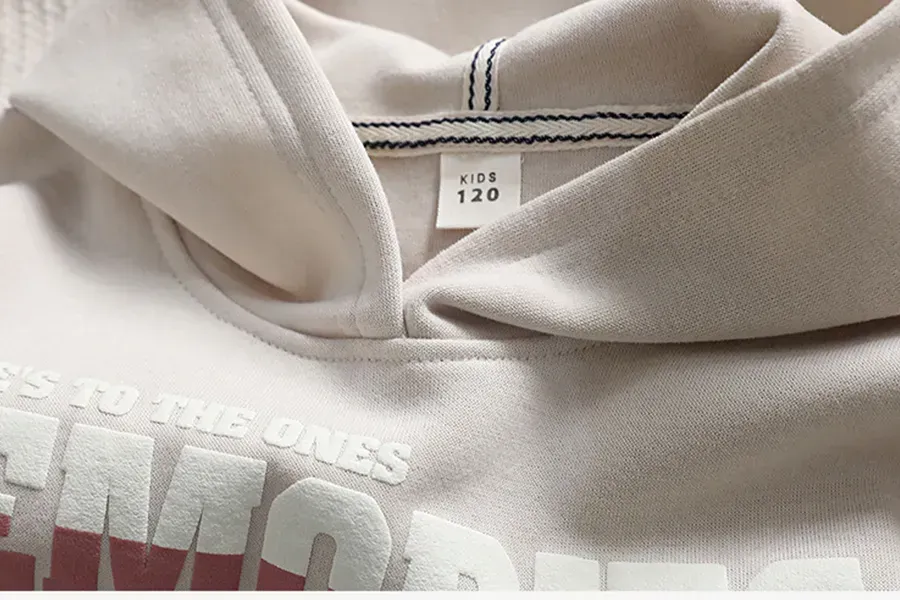
A General Certificate of Conformity (GCC) from the importer is the standard document. The lab test underneath the GCC is what matters. Ask for the third-party CPSC-accredited lab report that supports the GCC.
A common mistake we see is brands assuming their adult line is exempt, then selling the same SKU through a kids size run later. The minute the smallest size is for a 12 year old, CPSIA applies.
Prop 65 is its own animal
California’s Proposition 65 is a warning law, not a ban. Anything sold in California containing chemicals on the Prop 65 list above the safe harbor level needs a warning label. Failure to warn is a private lawsuit risk that specialized law firms actively police.
For puff prints, the chemicals to watch on the Prop 65 list are:
- Lead and lead compounds
- DEHP and other regulated phthalates
- Formaldehyde
- Bisphenol A (BPA) in some adhesive systems
The practical path for most brands is to source ink and adhesive that pass Prop 65 limits without labeling, rather than label every garment as potentially containing a carcinogen.
What buyers should ask their puff print supplier for
If you are buying puff transfers and your end customer cares about compliance, request these documents up front:
- OEKO-TEX Standard 100 certificate on the ink system, at least Class II
- SDS (Safety Data Sheet) on the ink and adhesive
- Third-party lab report for CPSIA if any portion of the line is kids
- Statement of compliance for REACH SVHC, with the current list version
- Test report for Prop 65 listed substances at safe harbor levels
If a supplier cannot provide these on request, ask why before committing to a PO. Compliant suppliers will already have the paperwork on file.
Verifying your supplier
Buyer audits in 2026 increasingly require compliance paperwork at PO stage, not at shipment. A decoration partner who can hand it over the same day removes a recurring delay from the program.
If you are evaluating a puff transfer program, ask us for our current certification pack to benchmark against your brand’s compliance requirements.