Puff prints fail more often because of the garment than because of the print. The ink and adhesive are tuned for a window of fabric behavior, and the moment the blank steps outside that window, the print suffers.
This is the working fabric guide our production team uses when reviewing a sourcing brief. If you are picking a blank for a puff print program, run your spec sheet against this checklist before you buy 5000 pieces.
100 percent cotton (the friendly default)
Cotton is the easiest fabric for puff. The fiber takes heat well, holds adhesive bite, and has low stretch, which means the cured puff matrix never gets pulled past what it can handle.
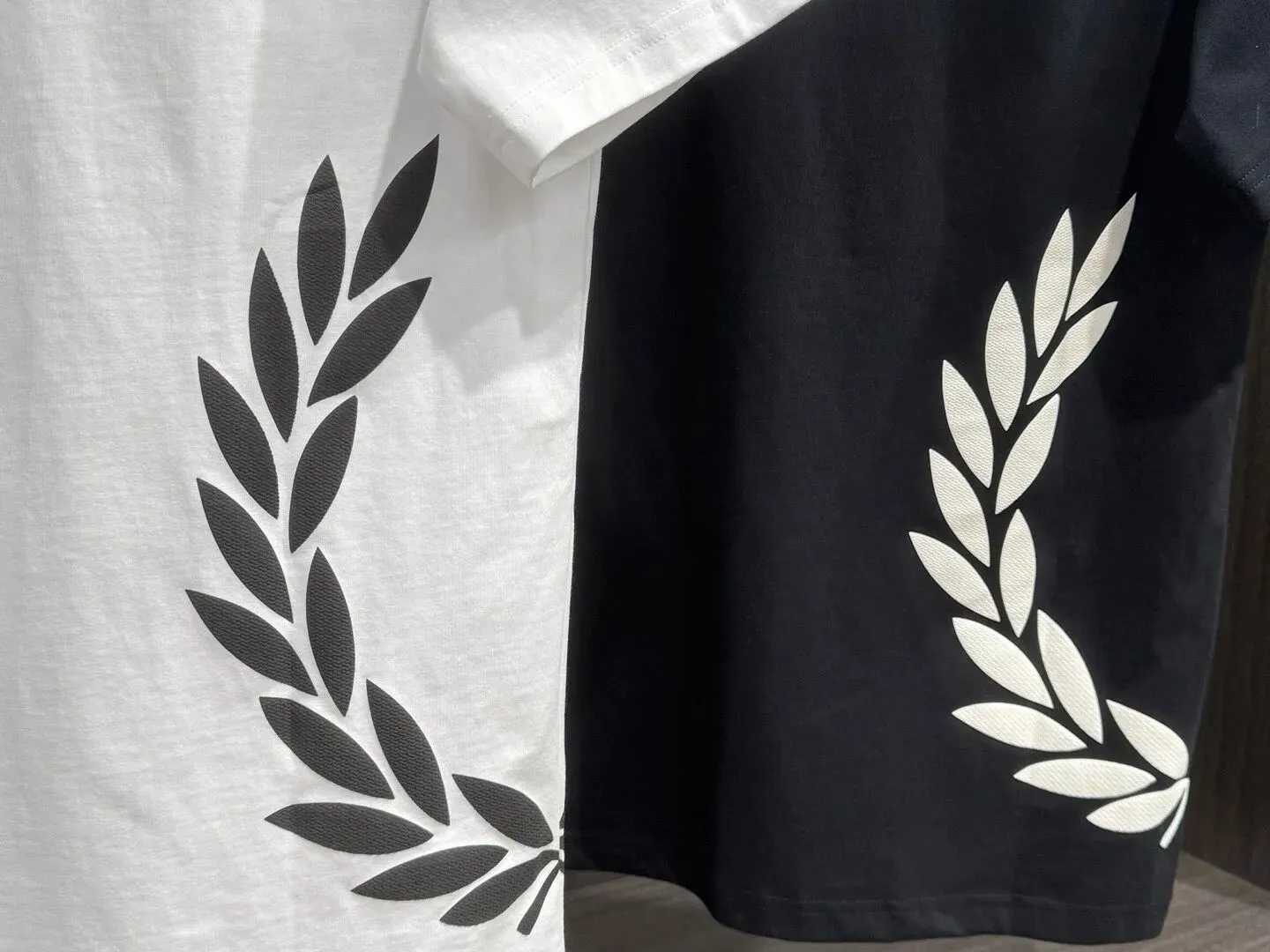
Where cotton shines:
- Heavy fleece hoodies, 320 to 500 gsm
- Mid-weight tees, 180 to 220 gsm
- Cotton canvas tote bags
- Workwear and chore jackets
What to watch:
- Very lightweight cotton (under 140 gsm) does not have enough body to support a chunky 2 mm puff hit. The fabric distorts around the print.
- Brushed or peached surfaces can interfere with adhesive bite. Test a sample.
- Garment dyed cotton with high residual moisture needs a longer pre-press.
Recommended puff height: 1.0 mm to 2.5 mm depending on fabric weight.
Polyester (workable, with planning)
Polyester is increasingly common in streetwear, performance, and budget tees. It works with puff, but two issues need active management.
Issue 1: Dye migration
Disperse dye used to color polyester turns gaseous at the puff curing temperature. The gas migrates into the puff print and tints it. A white puff on a red polyester hoodie can come out pink after a few days, or immediately.
The fix:
- Use a dye-blocker base layer under the puff. We add this routinely on any polyester order with a print color lighter than the garment.
- Lower curing temperature when the garment color allows.
- For dark polyester with white or pastel prints, always request a sample.
Issue 2: Heat sensitivity
Polyester deforms above about 180 C. If the press temperature is set high to compensate for thicker puff ink, the fabric can permanently mark with a platen impression.
The fix:
- Run polyester at the lower end of the puff curing range, with a slightly longer dwell.
- Use a Teflon sheet between platen and garment.
Recommended puff height: 0.5 mm to 2.0 mm. Stay conservative.
Cotton-polyester blends (most common in practice)
The majority of blanks we see in real orders are 50/50 or 60/40 cotton-poly. These behave like a slightly more demanding cotton, with a mild dye-migration risk if the polyester component is dyed and the print is lighter than the shirt.
Practical guidance:
- 80/20 or higher cotton: treat like cotton.
- 60/40 cotton-poly: standard puff, no dye blocker unless dark base / light print combination.
- 50/50 cotton-poly: dye blocker recommended on dark colors with light prints.
- Below 50 percent cotton: treat like polyester.
Cotton-spandex and stretch knits
This is where standard puff fails most often. Spandex content above about 5 percent gives the fabric enough recovery and stretch to crack a rigid puff print across the print body, usually in the first few washes.
What works:
- A specifically formulated stretch puff ink with a flexible cured matrix.
- Slightly lower puff height (1.0 to 1.5 mm). Less mass to crack.
- A medium-pressure press, never heavy.
What does not:
- Standard cotton-grade puff. It will look fine on the sample, then fail in consumer wear within weeks.
If your brief includes activewear, leggings, swim, or any 4-way stretch fabric, tell the supplier up front. The ink and adhesive system are different products.
Tri-blends (cotton / poly / rayon)
Tri-blends are popular for soft handfeel fashion tees. The rayon component gives them their drape but also makes them more dimensionally unstable in heat. Puff works, but with caveats.
Recommendations:
- Lower press temperature (use the bottom of the recommended range).
- Pre-press 2 to 3 seconds only.
- Keep puff height at 0.5 to 1.5 mm. Chunky lifts pull the fabric.
- Wash test a sample at consumer-realistic settings before bulk.
Performance and treated fabrics
These need a sample test before any commitment:
- DWR (durable water repellent) coated fabrics
- Silicone-finished athletic fabrics
- Anti-microbial treated apparel
- Recycled polyester with high content of post-consumer waste (variable surface chemistry)
The treatments often interfere with the puff adhesive. Sometimes a fabric that “should” work does not, because of a finish applied at the mill. We sample these on receipt and report back, but you should plan for the possibility that a redesign is needed.
A sourcing checklist for puff print apparel
Before you finalize a blank for a puff print program, confirm:
- Fiber composition and exact blend ratio
- Gsm (fabric weight)
- Knit or weave construction (jersey, French terry, fleece, canvas)
- Dye type and depth of color
- Any surface treatments or finishes (DWR, anti-microbial, silicone)
- Garment color vs intended print colors (dye migration risk)
- Whether the program includes any stretch or activewear pieces
Share this list with the supplier before you sample. A good puff supplier will adjust the ink, adhesive, and curing parameters to match the blank, not the other way around.
If you are not sure whether your chosen blank will hold a puff print, send us a fabric swatch and the artwork. We will press a real sample on the exact fabric so you see how the lift, color, and adhesion behave before you commit to bulk.